
Why Choose Cold Rolled Formed Steel

Enhanced strength, profile versatility, and cost-efficient manufacturing for railway and structural systems.

Advantages of Cold Rolled Formed
(CRF) Steel Sections

Cold Rolled Formed (CRF) steel sections offer structural efficiency, dimensional precision, and manufacturing scalability across railway, infrastructure, and industrial applications. The cold rolling process enables controlled shaping of steel strips into high-performance structural profiles with repeatable quality and optimized material usage.

Profile Accuracy

Consistent cross-sections with tight dimensional tolerances.

High Strength-to-Weight

Enhanced yield strength with optimized material usage.

Design Flexibility

Custom T, Z, Sigma and engineered profile shapes.

Corrosion Options

Pre-galvanized and coated steel availability.

Fast Installation

Lightweight sections enabling quicker erection.

Material Efficiency

Reduced thickness with maintained structural performance.

Connection Versatility

Compatible with bolting, welding, riveting and fasteners.

Scalable Production

Controlled roll forming for repeatable high-volume output.

Manufacturing Process &
Engineering Capability

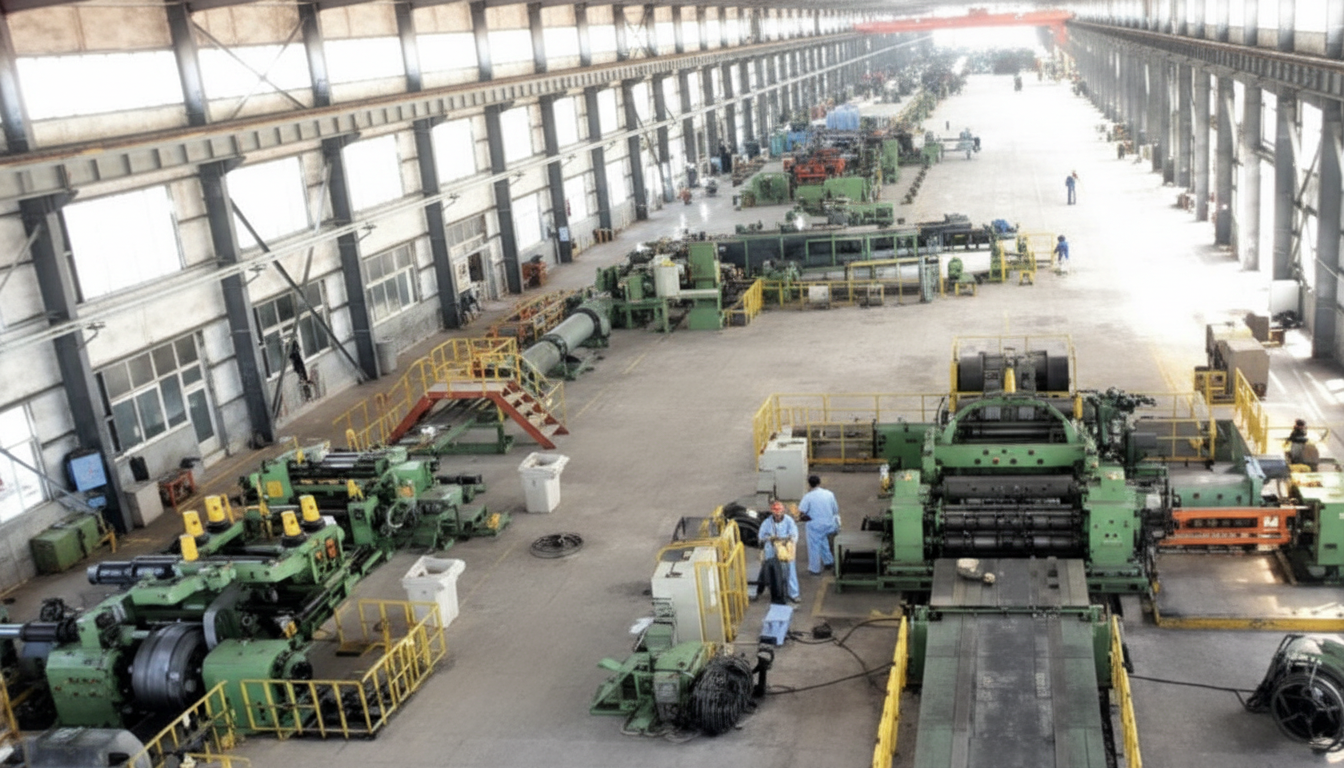
Our production system integrates coil slitting, precision cold roll forming, and engineered roll tooling design to deliver accurate, repeatable CRF profiles. Each stage is executed under controlled parameters to ensure dimensional consistency, structural integrity, and compliance with project specifications.

Coil Slitting Line

Steel coils ranging from 1200–1600 mm width are precision-slit to the required strip widths based on section design specifications. The slit strips are prepared for downstream cold roll forming operations to ensure dimensional consistency and optimal material utilization.
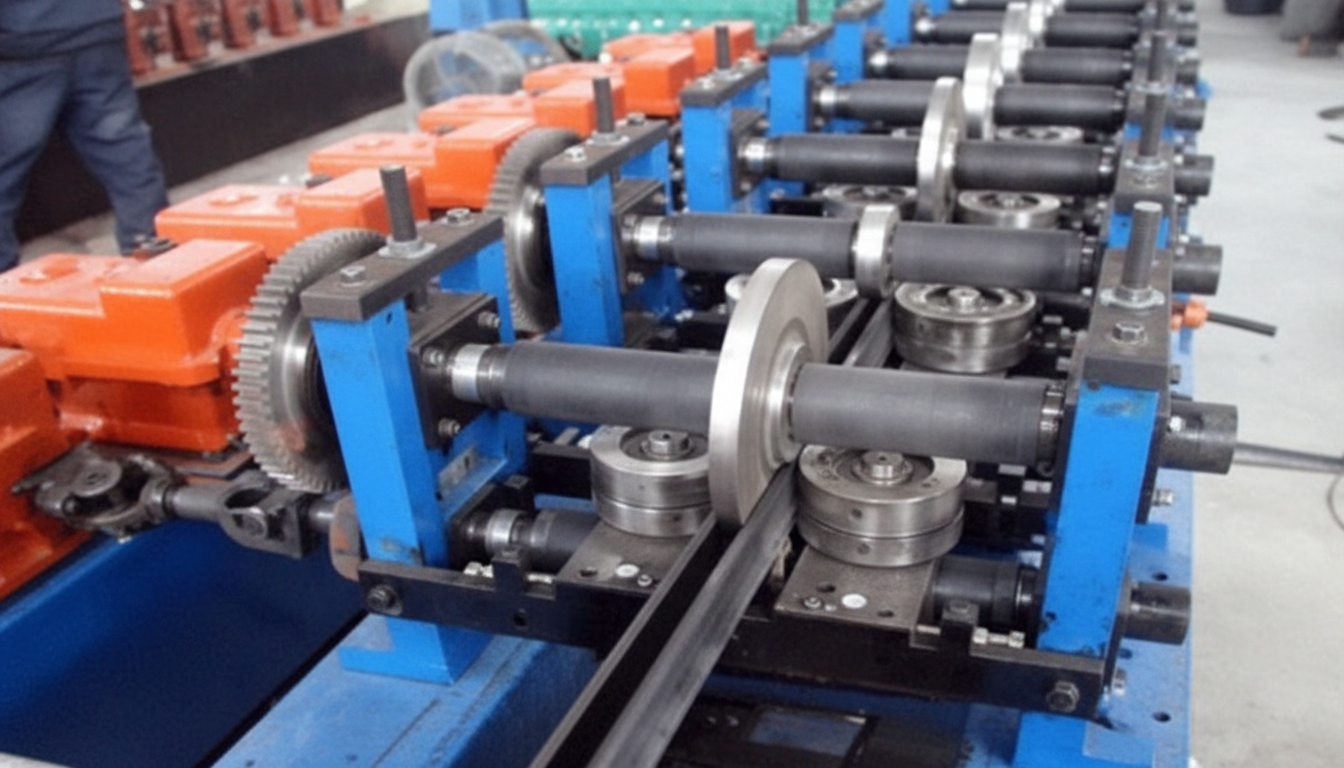
Cold Roll Forming Line

Pre-slit steel strips are processed through the cold roll forming line, where a series of calibrated rollers progressively shape the material into the specified cross-section. Forming parameters are controlled in accordance with approved drawings and purchase order specifications to achieve dimensional accuracy and repeatability.
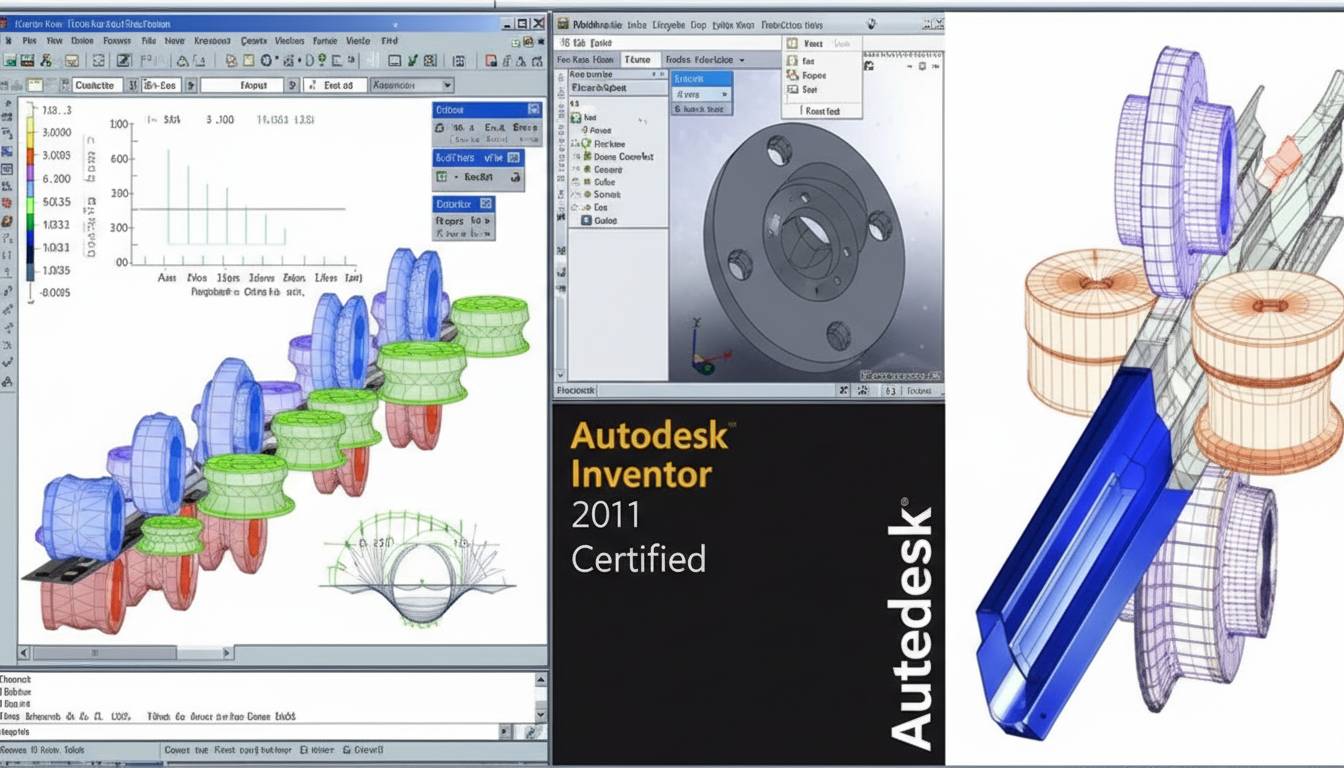
Roll Design & Engineering

Roll tooling is designed using engineering calculations and advanced design software, including AutoCAD, SolidWorks, CATIA, and COPRA. Each profile is developed based on section geometry, material properties, and application requirements to ensure forming precision and consistent structural performance.
Results That Build Reliability

See in in action

We’re here to support your railway spring requirements with clarity, speed and technical expertise.

Whether you need product specifications, commercial details, manufacturing insights or a formal quotation, our team is ready to assist. Reach out to us for project discussions, technical evaluations or long-term supply requirements.

Share a few details about what you’re looking for and we’ll be in touch.