
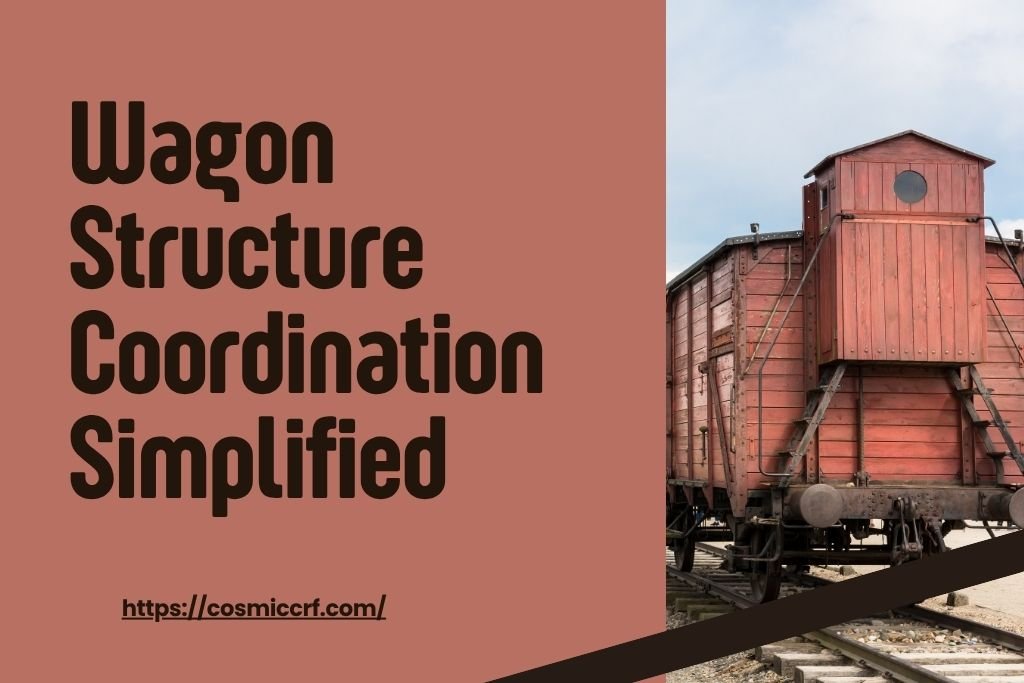
A wagon project gets complicated fast when several structural parts have to come together in one build. A body side may be ready, a flap door may be approved, and a fall plate may be on the way, yet the assembly still slows once one reference point shifts, which is why coordination matters long before parts reach the line.
Most project pressure starts with small gaps in drawings, fit-up logic, inspection planning, or dispatch sequence. Here are four areas worth tightening early.
Shared Drawing Control Keeps The Full Project Aligned
A multi-part wagon project moves better when every connected part follows the same drawing logic. This matters more than it first appears, because each component may pass through a different approval path or production window.
One older revision in the mix can pull the issue straight into assembly, where the cost of correction rises quickly. Hole locations, mating edges, reference faces, and part codes all need to line up across the full set.
When your team treats these items as one linked package instead of separate documents, later fit-up conversations become far easier.
Tolerance Build-Up Usually Appears Where Parts Finally Meet
A wagon assembly can tighten up even when each individual part looks acceptable on its own. This happens because small variation across multiple parts starts collecting at the joining stage.
Straightness in one member, hole position in another, and edge condition in a third can all shape how smoothly the structure comes together. This is why it helps to review tolerances as a combined fit-up issue and not only as isolated part checks.
Once you look at the relationship between parts, the likely pressure points become much clearer.
Production and Inspection Work Best When They Follow Assembly Logic
A project gains stability when the manufacturing sequence and inspection sequence reflect the way the wagon will actually be built. Some parts guide the rest of the assembly, so they deserve earlier attention and clearer traceability.
A first-off approval becomes more useful when it connects one part to the next instead of stopping at a single component. The same thinking improves inspection records as well.
When related parts are reviewed together, your team gets a better sense of whether the next stage will move cleanly or begin to drag.
Dispatch Planning Should Support The Build Sequence on The Line
A good dispatch plan does more than move finished material out of the yard. It helps the receiving team identify, unload, and issue parts in the order the line needs them.
Set-wise packing, clear bundle marking, and sensible lot grouping all make a difference here. Once mixed bundles reach the site or shop floor, time starts slipping through sorting, checking, and rehandling.
A cleaner dispatch rhythm keeps the project calmer and gives each wagon set a better chance of moving forward without interruption.
Final Thoughts
A wagon project usually stays steadier when its structural parts are coordinated as one connected system from the start. Drawings, tolerances, inspection points, and dispatch planning all shape how easily the work moves later.
We see this often while working with cold-rolled formed sections and wagon-related structural products such as flap doors, fall plates, body side arrangement, and body end arrangement. A little more alignment early often leads to a much smoother build once the parts begin meeting on the line. To learn more, get in touch with us today.